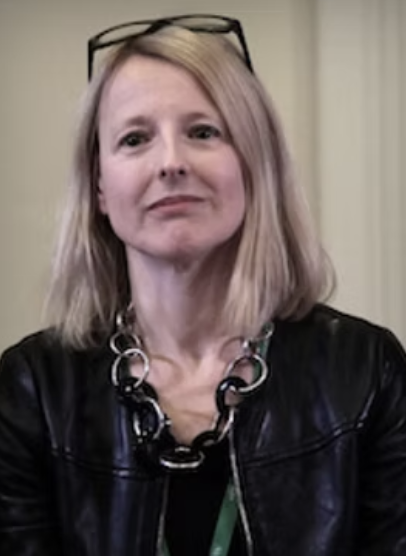
Beatrice is a UKCP and ADMPUK registered psychotherapist and clinical supervisor with
an interdisciplinary doctorate in embodied psychotherapy and feminism, a Masters in dance movement psychotherapy, and a postgraduate diploma in Trauma Therapy.
With over twenty-five years of experience, Beatrice has trained arts therapists, psychotherapists and counselling psychologists, and provided therapy, CPD and psychoeducation across diverse settings, including individual and group work in NHS adult mental health, Social Services, and dementia care.
Beatrice has written about her practice widely, addressing experiences of loss and bereavement, and the traumatic impact of how our bodies are sexualised, racialised and naturalised. Alongside her psychotherapy practice, Beatrice works in the arts with an emphasis on social justice.
A creative, relational and embodied approach is the bedrock of Beatrice’s practice and passion. In the therapy relationship, she holds an understanding of the interconnection between physical and psychological health, and therefore works with language and somatic sensation in tandem.
Her focus is to support the transformation of dis-regulated relational experiences into embodied resources. Beatrice’s method ‘Listen with Movement’ offers trauma-responsive ways of paying attention to your bodies’ patterns and nuances, together with the wider deeply embedded social, cultural and
environmental experiences that constrain or enable ways of fulfilling your potential in life.
With a special interest in transgenerational trauma, Beatrice offers experiential support in navigating the often, messy and time-layered process of developing a relationship with yourself and the world around you. Her approach is down to earth, embodied, creative, collaborative, compassionate and accountable.
Beatrice offers therapy and supervision for individuals and groups. Beatrice has worked with people who live with some of the following experiences:
– Addiction
– Abortion
– Burnout
– Bereavement
– Carers (for family or professionally)
– Depression
– Dementia (rare early onset and late stage)
– Domestic Violence
– Eating Difficulties
– OCD
– Sexual Violence
– Trauma and PTSD
– Therapists in training